High Rise Plots in Silver City: A 2026 Investor Breakdown
High rise plots have become one of the more debated categories in Pakistan’s real estate market over the past two years. Unlike a standard residential plot, a high rise plot is sold with the expectation of vertical development, usually apartments, offices, or mixed-use towers, which changes almost every assumption a buyer should make about return timelines and risk. This guide breaks down what high rise plots actually offer investors heading into 2026, and how they stack up against flat commercial land.
What Makes a High Rise Plot Different
A regular residential or commercial plot gives the buyer a flat piece of land and near-total freedom over what gets built, subject to zoning rules. A high rise plot usually comes with a pre-approved vertical building envelope, meaning the society has already secured permissions for multi-story construction up to a specified height or floor count.
That pre-approval is valuable because securing high-rise permissions independently, plot by plot, can take years and significant legal cost in most Pakistani cities. Buying into a plot where that groundwork is already done removes one of the biggest bottlenecks in vertical development.
Who Actually Buys High Rise Plots?
Three buyer types dominate this category in practice:
- Developers planning to build and sell apartment units or offices to end buyers
- Group investors who pool capital specifically to fund a vertical project they could not afford individually
- Long-horizon investors who buy early and plan to sell the plot itself once the surrounding area matures, without ever building anything themselves
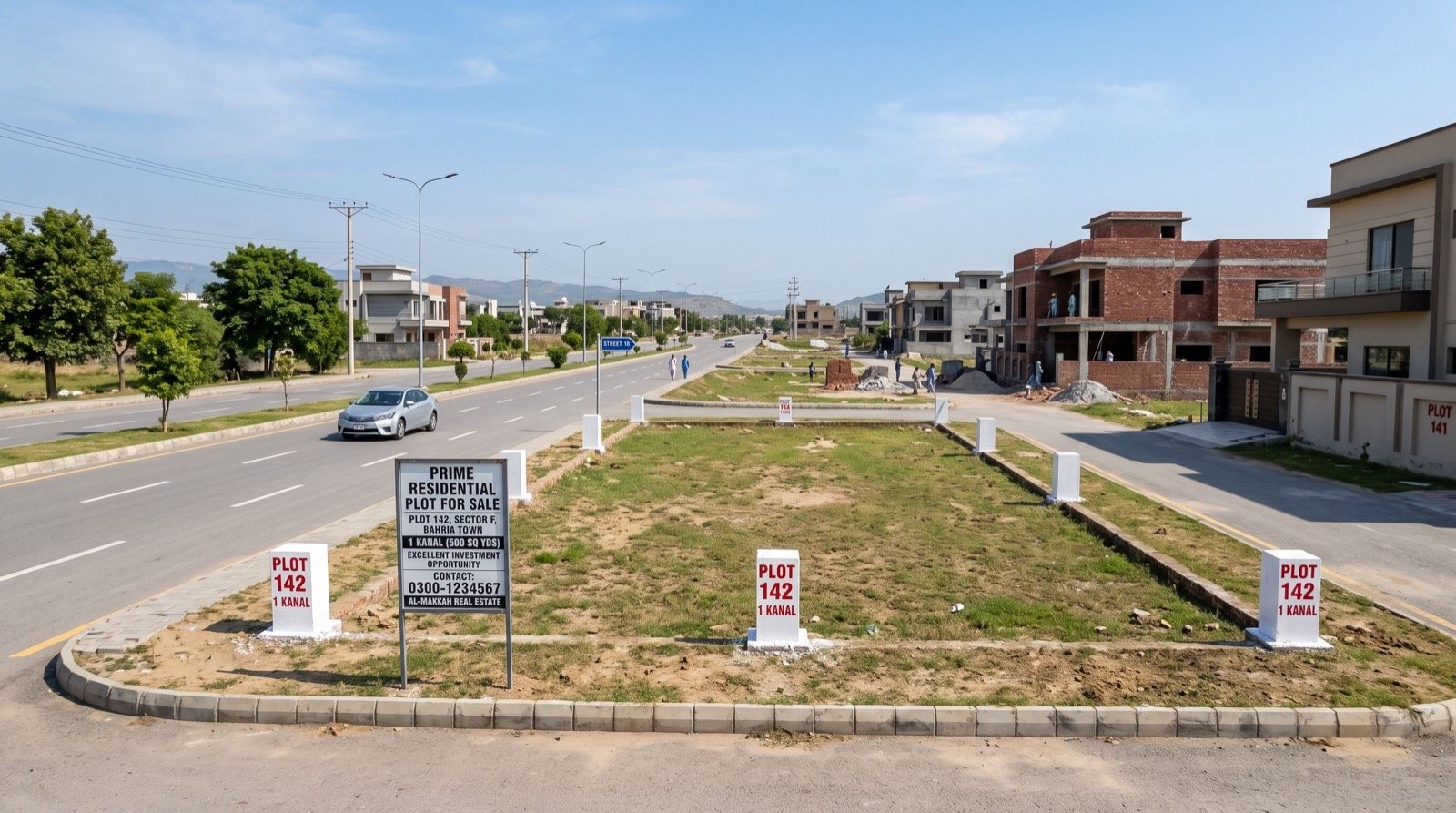
Among the options drawing attention from all three groups this year are the High Rise Plots in Silver City, positioned within a sector that already has supporting road infrastructure in progress.
Is a High Rise Plot a Good Fit for a First-Time Investor?
This is the question most newcomers ask, and the honest answer is: usually not as a first purchase. High rise plots carry construction complexity, contractor coordination, and regulatory approval timelines that go well beyond what a first-time buyer typically has the experience to manage directly.
That does not rule high rise plots out entirely for newcomers. Buying as a passive investor alongside an experienced developer partner, rather than attempting to manage construction solo, is a far more realistic entry path for someone new to vertical real estate.
High Rise Plots vs. Flat Commercial Plots
| Factor | High Rise Plot | Flat Commercial Plot |
|---|---|---|
| Development complexity | High, needs vertical construction expertise | Lower, simpler single-story build |
| Capital required | Higher, often needs partners | Lower, more accessible solo |
| Potential yield | Higher per plot, multiple units possible | Moderate, single-unit rental |
| Liquidity | Lower, fewer buyers for partially built towers | Higher, easier to resell quickly |
For investors who want flat, straightforward land with faster resale options, the Commercial Plots in Rawalpindi category remains the simpler entry point, while high rise plots suit those chasing a bigger, longer-term outcome.
Funding Structures Investors Actually Use
Because high rise projects require more capital than most individuals hold comfortably in cash, group-funding structures have become common in Pakistan’s secondary cities.
- Private consortium: a small group of investors jointly purchase and develop, splitting profit by contribution share
- Developer partnership: the landowner contributes the plot, a developer funds and manages construction, and proceeds are split by pre-agreed ratio
- Phased self-funding: the plot owner builds floor by floor as capital becomes available, selling or renting completed floors to fund the next phase
Each structure shifts risk differently, so it is worth having a lawyer review the specific agreement rather than relying on a verbal handshake arrangement, no matter how trusted the partner.
Financing and Regulatory Checks Before You Buy
Large-scale property financing is sensitive to interest rate movement, so reviewing the latest policy rate update from the State Bank of Pakistan before committing to a multi-year funding structure helps investors model repayment realistically rather than optimistically.
Tax treatment on high rise and commercial land can also differ from residential plots, so checking current valuation and withholding tax tables on the Federal Board of Revenue site before transfer avoids budgeting surprises late in the process.
Compliance Does Not Stop at the Land Purchase
Many high rise investors are also running an active business, whether that is a construction firm, a rental management company, or a retail brand leasing the finished units. Property documentation is only one half of staying compliant; business-side paperwork matters just as much once rental income or sales invoices start flowing.
For investors who also operate across regional markets with digital invoicing requirements, it is worth staying ahead of changing compliance rules rather than reacting after a deadline passes. Business owners managing that transition often rely on reliable local experts to keep invoicing systems audit-ready while they focus on the property side of the business.
Site Diligence Checklist for High Rise Plots
Before any paperwork is signed, walk the plot and the surrounding block with a specific checklist rather than a general impression. This step matters more for high rise plots than for any other category, because vertical construction amplifies the cost of any oversight discovered later.
- Confirm the approved floor count in writing, not just what the sales brochure illustrates
- Check soil and load-bearing suitability through an independent structural survey rather than relying solely on the developer’s report
- Verify road width and access can realistically support construction vehicles and, later, resident or tenant traffic
- Ask about utility capacity, since multi-story buildings draw significantly more electricity and water than a single-story structure
- Review neighboring plot status, since an unfinished or disputed adjacent plot can delay your own construction timeline
Investors who skip this checklist and rely purely on brochure renders are the ones most likely to discover costly surprises once excavation begins.
Timing the Market: Buy Early or Wait?
A common debate among high rise investors is whether to buy early in a sector’s development, when prices are lower but infrastructure is unproven, or wait until the surrounding area has matured and risk has dropped. Early buyers capture more appreciation but absorb more uncertainty about whether the society will deliver promised infrastructure on schedule.
A reasonable middle path many experienced investors follow is waiting until at least the first phase of road and utility infrastructure is visibly complete, rather than buying purely off a master plan render. This sacrifices some of the earliest, cheapest pricing but meaningfully reduces the chance of buying into a stalled project.
Frequently Asked Questions
How long does a high rise plot take to generate returns?
Expect a longer horizon than a flat plot, typically three to six years depending on construction pace, financing structure, and how quickly units lease or sell after completion.
Can an individual buy a share of a high rise plot rather than the whole thing?
Yes, consortium and partnership structures allow fractional participation, though the terms should always be documented in a formal written agreement reviewed by a lawyer.
What is the biggest risk with high rise plot investment?
Construction delay and cost overrun are the most common risks, usually caused by underestimated material costs or contractor disputes mid-build.
Do high rise plots appreciate faster than regular plots?
They can, particularly once surrounding infrastructure matures, but appreciation is less predictable and more tied to successful execution of the actual building project.
Final Thoughts on High Rise Plots
High rise plots offer a genuinely different risk and reward profile compared to flat residential or commercial land, suited to investors with either deep capital or reliable partners. For 2026, buyers who verify pre-approved building envelopes, pick a sound funding structure, and keep both property and business compliance organized stand the best chance of turning a high rise plot into a profitable, multi-unit asset rather than a stalled construction site.