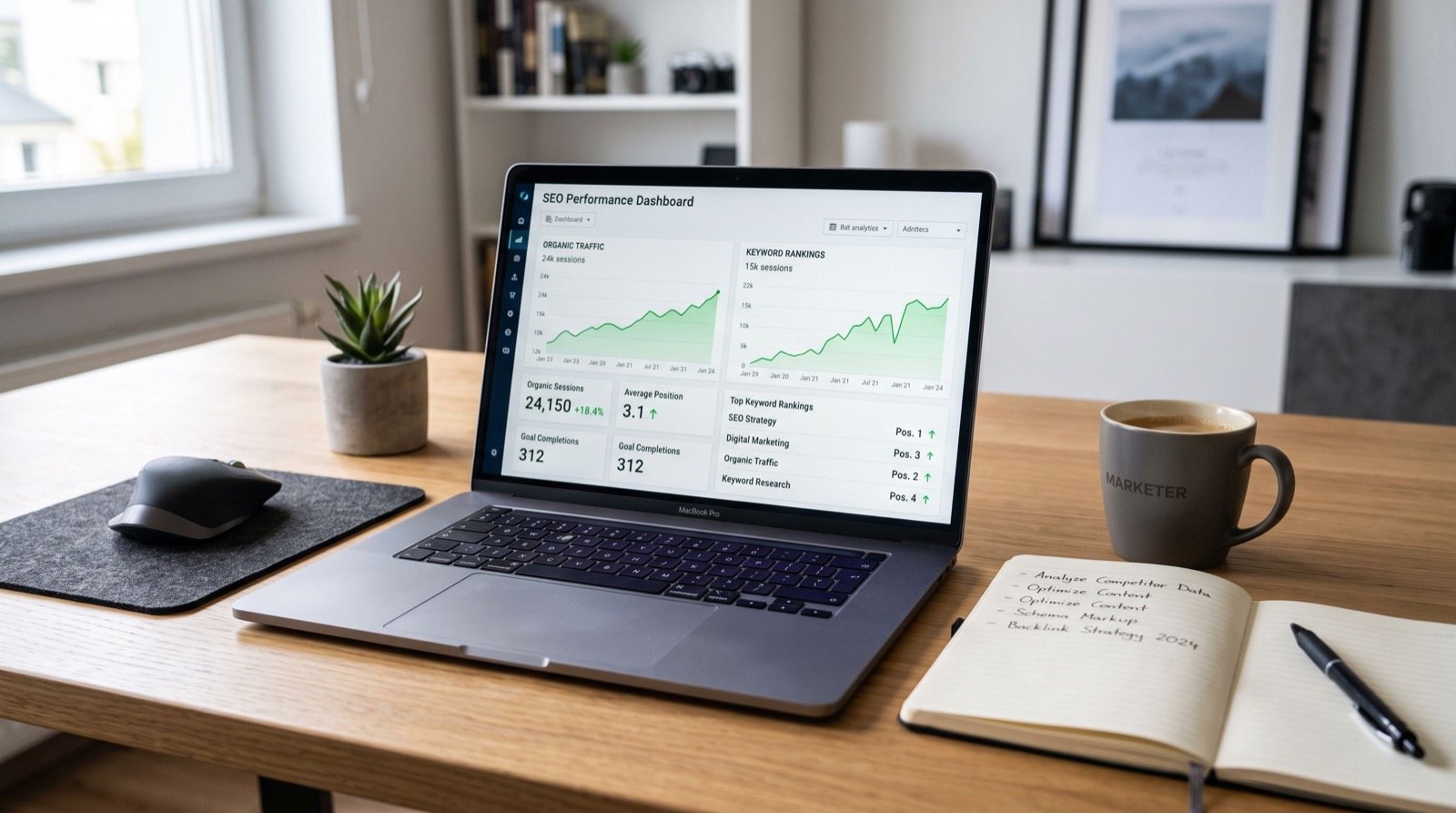

Best Money Apps in 2026: Tools That Actually Grow Your Savings
The best money apps in 2026 do more than show a balance. They budget, invest, round up spare change, and nudge you toward smarter choices every day. If you have ever ended the month wondering where your cash went, the right app can give you answers in seconds.
This guide breaks down the categories that matter, how to choose safely, and the features worth paying for. We tested the workflows real users rely on, so you can skip the hype and pick tools that fit your life. Let us dig in.
Why the Best Money Apps Change How You Spend
A good app removes friction. When your spending is visible, you naturally make better decisions without feeling deprived. Visibility is the quiet superpower behind every strong financial habit.
Most top apps connect securely to your bank, categorize transactions, and surface trends you would never spot in a paper statement. That awareness is the first step toward keeping more of your income. For deeper strategy, pairing an app with solid personal finance tips turns raw data into real progress.
The Main Categories of Money Apps
Not every app does the same job. Picking the right type for your goal saves time and money. Here are the four categories worth knowing in 2026.
Budgeting Apps
These track income and expenses, assign money to categories, and alert you before you overspend. They suit anyone who wants to plan ahead and stop living paycheck to paycheck.
Saving and Round-Up Apps
Round-up tools push spare change from each purchase into savings automatically. The amounts feel tiny, yet they add up to hundreds of dollars a year with zero effort.
Investing Apps
Micro-investing platforms let you buy fractional shares with as little as a few dollars. They make the market approachable for beginners who felt locked out before.
All-in-One Dashboards
These combine budgeting, net worth tracking, and bill reminders in a single view. If you want one screen to run your finances, this category is for you.
Comparing the Best Money Apps by Use Case
| Category | Primary Benefit | Typical Cost | Best For |
|---|---|---|---|
| Budgeting | Control spending | Free to 15 USD per month | Planners |
| Round-Up Saving | Painless saving | Free to 5 USD per month | Spenders who struggle to save |
| Micro-Investing | Start investing small | 0 to 3 USD per month | Beginners |
| All-in-One | Full financial view | Free to 12 USD per month | Organized multitaskers |
When you weigh the options, do not chase the longest feature list. Choose the single feature that solves your biggest pain point, then expand later. A curated shortlist of the best money apps makes that decision far faster.
How Do You Choose a Money App Safely?
Security should come before shiny features. Your financial data is valuable, so treat app selection like choosing a bank. Here is a checklist that protects you.
- Confirm the app uses 256-bit encryption and read-only bank connections.
- Turn on two-factor authentication immediately.
- Check that any linked deposit accounts carry FDIC insurance.
- Read the fee schedule twice so hidden charges never surprise you.
- Review recent, verified user feedback, not just star ratings.
Deposit insurance matters more than people think. The Federal Deposit Insurance Corporation protects eligible deposits up to 250,000 dollars per depositor, so make sure your cash sits with an insured partner bank.
If an app steers you toward investing, learn the basics of risk first. The SEC resource at Investor.gov explains fees, diversification, and compounding in plain language that every beginner should read.
Features Worth Paying For in 2026
Many excellent apps are free, but a few premium features earn their keep. Automatic bill negotiation can recover subscription fees you forgot about. Custom alerts stop overdrafts before they happen.
Advanced forecasting is another standout. When an app projects your balance two weeks out, you avoid shortfalls and plan big purchases with confidence. That foresight alone can justify a small monthly fee.
A Practical Tip From Real Testing
Set your round-up app to multiply each round-up by two or three during months with extra income. You will barely notice the difference in daily spending, yet your savings rate jumps sharply. Small multipliers create outsized results over a year.
Combining Apps With Expert Guidance
Apps handle the numbers, but strategy still benefits from human insight. If your situation involves a business, property income, or growth planning, consulting reputable service experts can help you connect daily money habits to bigger goals.
Think of the app as your dashboard and a trusted advisor as your co-pilot. Together they keep you on course when life throws curveballs. The combination beats relying on either one alone.
Common Mistakes People Make With Money Apps
Even the best tools fail when used carelessly. The most common mistake is downloading three apps and committing to none. Pick one, learn it fully, and only add another when you have a specific gap to fill.
Another trap is ignoring the alerts you worked so hard to set up. Notifications only help if you read and act on them. Treat a low-balance warning as a prompt to pause spending, not an annoyance to swipe away.
Watch Out for These Habits
- Linking accounts but never checking the dashboard.
- Paying for premium features you do not actually use.
- Leaving large balances in an app instead of an insured bank.
- Reusing passwords across financial apps.
- Chasing every new app instead of mastering one system.
Avoiding these pitfalls is half the battle. A money app is a tool, not a magic fix, and the results depend on how consistently you engage with it. Simplicity and regular attention beat a cluttered screen of unused apps every time.
How Money Apps Will Evolve in 2026
Artificial intelligence now powers smarter forecasting and personalized nudges. Many apps predict cash shortfalls weeks ahead and suggest exact amounts to move into savings. This proactive guidance is quickly becoming the standard rather than a premium perk.
Expect tighter security too, with passkeys and biometric logins replacing fragile passwords. As these features mature, the gap between a basic banking app and a full financial assistant keeps shrinking. Choosing a provider that invests in innovation protects your experience for years to come.
Frequently Asked Questions
Are the best money apps free to use?
Many offer strong free tiers that cover budgeting and basic saving. Premium plans add forecasting, bill negotiation, and advanced reports, usually for 3 to 15 dollars a month.
Is it safe to link my bank account to an app?
Yes, when the app uses encryption and read-only connections through a trusted aggregator. Always enable two-factor authentication and confirm the provider never stores your bank password.
Which money app is best for beginners?
A simple budgeting or round-up app is the easiest start. It builds awareness fast, requires little setup, and creates momentum before you move into investing tools.
Can money apps really help me save more?
They can, because visibility and automation remove the friction that stops people from saving. Users who check a budgeting app weekly consistently keep more of their income.
Conclusion and Your Next Move
The best money apps in 2026 turn vague intentions into automatic progress. Pick one category that matches your biggest goal, verify its security, and commit to a quick daily check. Momentum builds faster than you expect.
Start today by downloading a single app and linking one account. Pair it with smart habits, lean on expert guidance when the stakes rise, and let technology quietly grow your savings all year long.