Enterprise IP Phones: A Practical 2026 Buying Guide
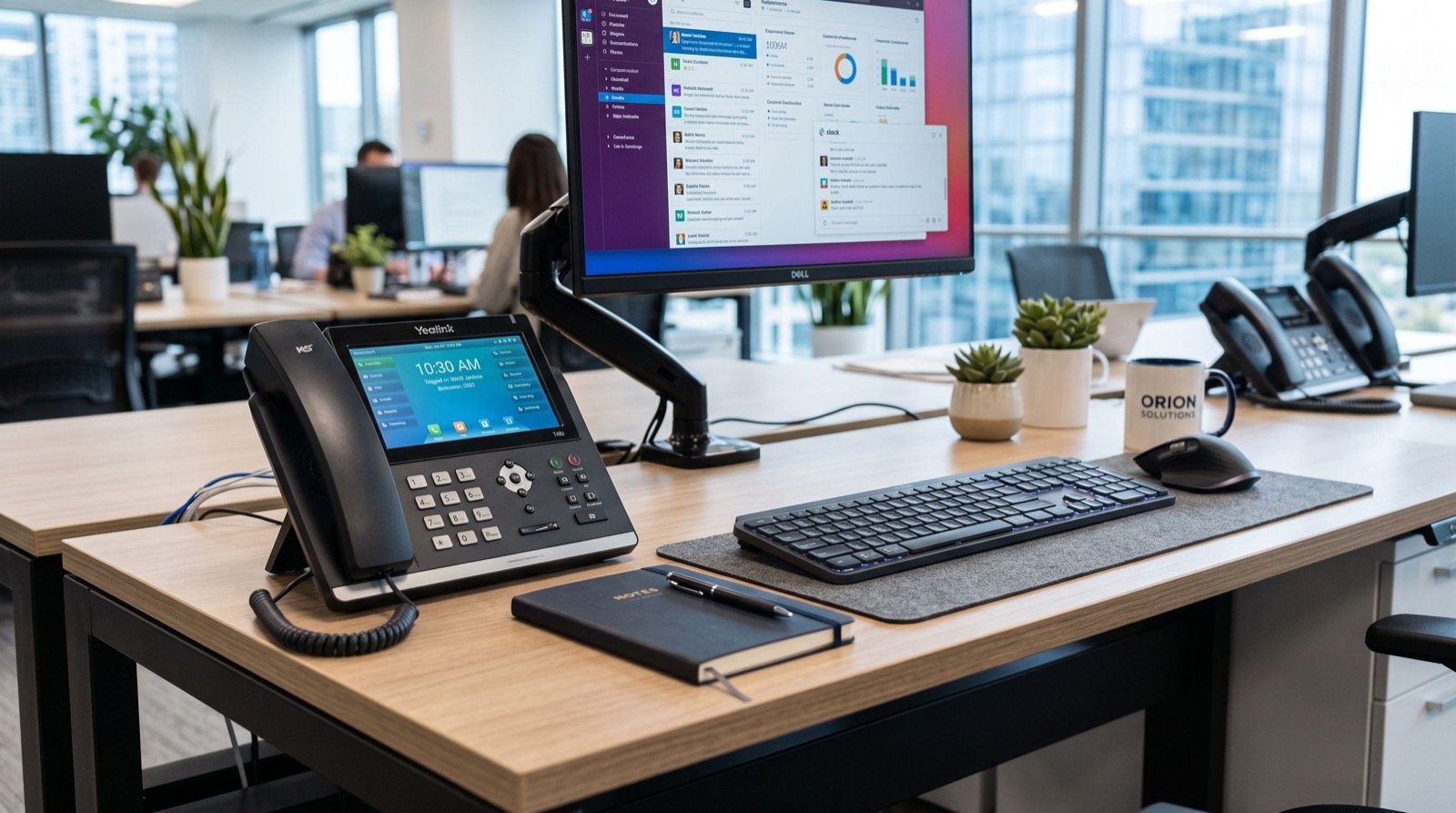
Choosing the right enterprise IP phones shapes how well your teams communicate every single day. In 2026, desk phones are no longer simple handsets; they are programmable endpoints that tie into unified communications, video, and cloud PBX platforms. This guide walks you through what genuinely matters before you spend a rupee, so your investment scales instead of stalling.
I have deployed hundreds of handsets across call centers, reception desks, and executive suites. The lesson repeats itself: the cheapest phone rarely wins, and the flashiest one is often overkill. The best enterprise IP phones balance codec quality, provisioning ease, and long-term firmware support.
Why enterprise IP phones still matter in a cloud-first world
Software softphones are everywhere, yet dedicated hardware remains the backbone of serious voice operations. A physical handset frees the computer, survives reboots, and delivers echo-cancelled audio that headsets on laptops struggle to match. For high-call-volume roles, that reliability is not optional.
Enterprise-grade endpoints also register faster after a network blip and support hardware DSP for noise suppression. When a customer is on the line, milliseconds and clarity translate directly into trust.
The role of SIP and open standards
Modern IP phones speak SIP, the session initiation protocol standardized by the Internet Engineering Task Force. You can read the formal definition in RFC 3261, which underpins nearly every VoIP call placed today. Sticking to open standards keeps you free from vendor lock-in.
What features should enterprise IP phones include?
Before comparing models, define your must-haves. Reception staff need many BLF keys; warehouse teams need loud ringers and rugged builds; executives want color displays and Bluetooth. One size never fits all.
- Gigabit Ethernet with PoE so a single cable powers and connects the phone.
- HD wideband audio using the G.722 codec for crisp, natural voice.
- Programmable line keys and busy lamp fields for quick transfers.
- Provisioning support for zero-touch mass deployment.
- Regular firmware updates to patch security flaws.
For high-density front desks and power users, a flagship model earns its keep. The Fanvil X210 is a strong example, pairing a large color screen with expandable side keys that reception teams love. When you shortlist devices, weigh the daily workflow of the person using it, not just the spec sheet headline.
Audio quality: the feature buyers underestimate
Grainy audio quietly erodes customer confidence. Look for phones with dual microphones, acoustic shielding, and full-duplex speakerphones. In noisy open offices, hardware noise cancellation outperforms software fixes almost every time.
How do you compare enterprise IP phone tiers?
Not every desk needs a premium handset. Match the tier to the role, and your budget stretches further without sacrificing the experience where it counts. The table below maps common categories against typical needs.
| Tier | Best for | Key traits | Display |
|---|---|---|---|
| Entry | Warehouse, common areas | 2–4 lines, basic LCD, PoE | Monochrome |
| Mid-range | Sales, support agents | Multi-line, HD audio, headset port | Color |
| Executive / flagship | Reception, managers | Expansion keys, Bluetooth, Wi-Fi | Large color, adjustable |
Deploying enterprise IP phones the right way
A good rollout follows a repeatable order. Skipping steps leads to help-desk tickets and frustrated staff on go-live day. Follow this sequence and your deployment stays calm.
- Audit your network switches for PoE budget and VLAN support.
- Create a dedicated voice VLAN to prioritize call traffic.
- Configure a provisioning server for zero-touch onboarding.
- Stage and label phones by extension before shipping to desks.
- Test emergency dialing and call recording before launch.
Local support matters enormously during this phase. Working with an experienced local team that understands both the hardware and your regional carrier saves days of trial and error.
Provisioning at scale
For fifty phones or five hundred, manual setup is a trap. Zero-touch provisioning pulls a config file automatically the moment a phone powers on, applying extensions, codecs, and firmware in seconds. Invest in this early.
Where to buy and how to future-proof your investment
Sourcing from a reputable regional distributor protects your warranty and speeds up replacements. If you are evaluating the Best IP phones in Lahore, prioritize vendors who stock firmware updates and provide genuine after-sales support rather than grey-market bargains.
Future-proofing means choosing phones that support Opus and G.722 codecs, receive security patches, and integrate with the PBX you plan to grow into. According to the Gartner glossary on VoIP, converged voice-and-data networks continue to dominate enterprise communications strategy through the mid-2020s.
Total cost of ownership beyond the sticker price
The price on the box tells only part of the story. Smart buyers weigh the full lifecycle: power draw, cabling, headset compatibility, and how long the vendor keeps issuing firmware. A slightly pricier handset with a longer support horizon usually wins on total cost.
Consider PoE savings too. Powering phones through the switch removes dozens of wall adapters, cuts clutter, and centralizes power management, which quietly reduces both energy waste and support tickets over a device’s life.
Accessories that matter
Expansion modules turn a single reception phone into a switchboard, while quality wired or Bluetooth headsets protect agents from fatigue during long shifts. Budget for these from the start rather than as an afterthought, because they shape daily comfort far more than the handset color ever will.
Wall-mount kits, spare power supplies, and rugged handset cords also extend the practical life of your fleet. In busy call centers, these small parts prevent avoidable downtime and keep replacement costs predictable across the year.
Interoperability with unified communications
Enterprise IP phones rarely live alone in 2026. They plug into unified communications suites that blend voice, video, presence, and chat into one experience. Before you buy, confirm your shortlisted phones certify against the UC platform your organization already runs.
Presence integration is a genuine productivity boost. When a colleague’s line shows busy directly on your handset, you avoid pointless transfers and cold holds. That small signal, multiplied across hundreds of daily calls, adds up to noticeably smoother collaboration and happier customers.
Frequently Asked Questions
Are enterprise IP phones worth it over softphones in 2026?
Yes, for high-volume roles. Dedicated enterprise IP phones deliver superior echo cancellation, faster registration after outages, and consistent audio, while softphones suit occasional or mobile users best.
Do all IP phones work with any PBX?
Most SIP-compliant phones interoperate with standards-based PBX platforms. However, always confirm codec support and provisioning compatibility with your specific cloud or on-premise system before buying in bulk.
How long do enterprise IP phones last?
With regular firmware updates, quality handsets often serve reliably for five to seven years. Longevity depends on continued security patches and the vendor’s commitment to ongoing software support.
What is PoE and do I need it?
Power over Ethernet delivers electricity through the network cable, removing the need for separate adapters. For clean deployments, PoE simplifies wiring and centralizes power management through your switch.
Conclusion
Selecting the right enterprise IP phones is a strategic decision, not a shopping errand. Match each handset to its role, insist on open SIP standards, plan your provisioning, and buy from a supplier with real support behind it. Do that, and your voice infrastructure will scale gracefully well beyond 2026. Ready to upgrade? Talk to a trusted local specialist today and build a phone system your teams will actually enjoy using.